
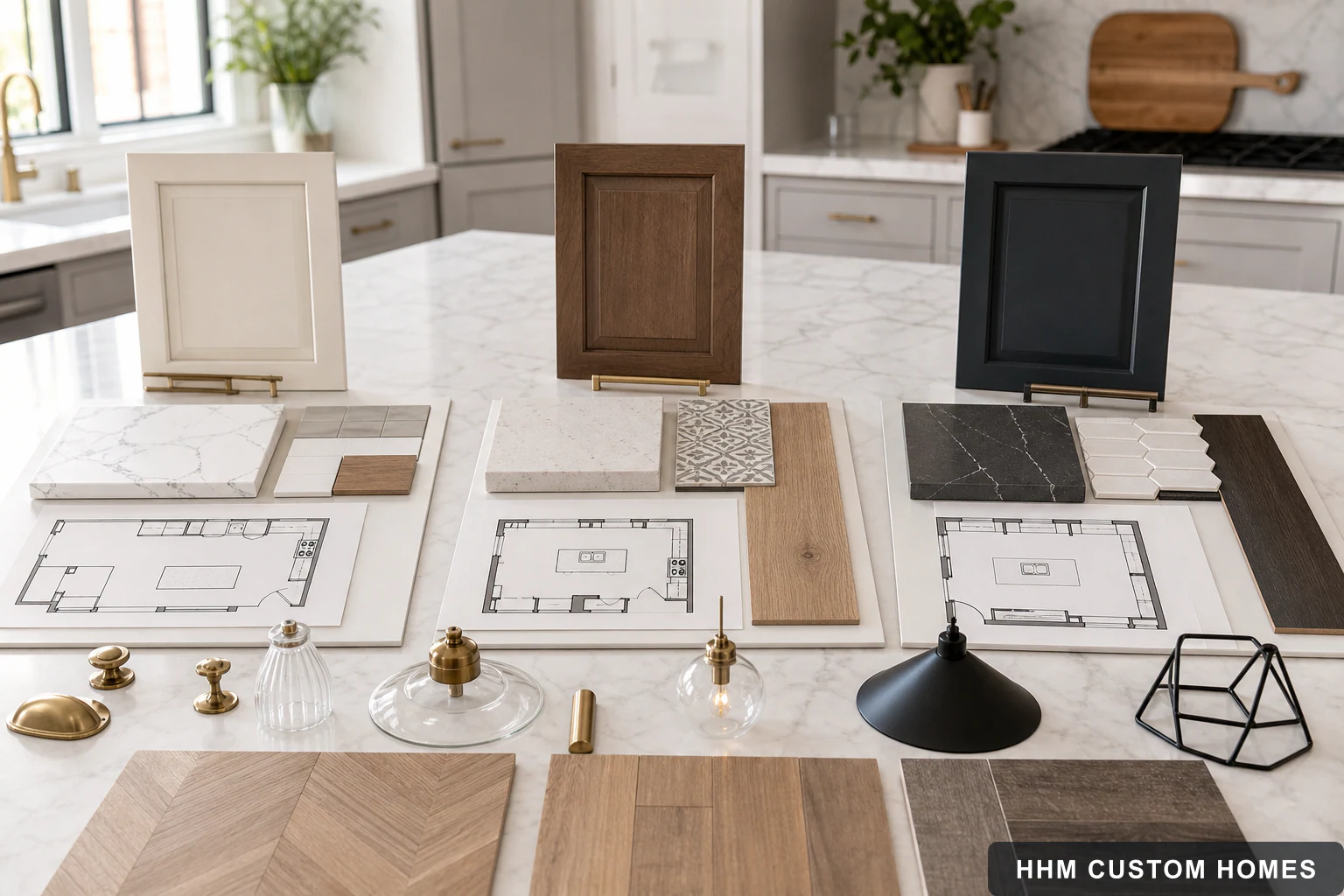
Kitchen-remodel proposals are difficult to compare when one contains detailed selections and another relies on broad allowances. The lowest total may cover less work, place more decisions on the owner, or exclude conditions another proposal has addressed.
This guide is general consumer education, not a legal interpretation, design, technical review, contractor recommendation, or determination that any price is appropriate for a particular property.
If property facts, household priorities, appliance information, decision roles, or budget boundaries are still incomplete, return to the kitchen-remodel consultation checklist before treating the proposals as comparable.
Start with the controlling documents
Identify which plan, scope, specifications, selection schedule, allowance schedule, and proposal revision control the work. Confirm that room names, product descriptions, quantities, finishes, and responsibilities use the same assumptions. Inspiration images and verbal discussions should not silently replace the accepted documents.
Compare included work
Review demolition, disposal, protection, temporary conditions, framing, drywall, cabinets, countertops, appliances, plumbing, electrical, lighting, ventilation, flooring, painting, trim, permits, inspections, delivery, storage, cleanup, and restoration. If an item is owner-supplied or assigned to another party, the proposal should say who verifies, receives, stores, protects, and installs it.
Understand allowances and selections
An allowance is not a complete product specification. Ask what quantity, tax, freight, accessories, fabrication, installation, waste, and price date it assumes. The agreement should explain how overages, credits, unavailable products, substitutions, and late decisions are documented.
Read assumptions and exclusions
Look for limits involving concealed damage, hazardous materials, structural changes, utility upgrades, code corrections, engineering, access, working hours, HOA requirements, appliance modifications, storage, temporary kitchens, and finish matching. Ask how discoveries and requested changes affect price and schedule before work proceeds.
Compare schedule, payment, and closeout
Review decision deadlines, procurement assumptions, start conditions, inspection dependencies, progress-payment milestones, financing treatment, cancellation terms, warranty responsibilities, punch-list steps, manuals, registrations, and final records. A proposed completion window should state its assumptions rather than operate as an unconditional promise.
After selecting a proposal, use a kitchen selection log to track product specifications, allowances, affected work, substitutions, approvals, and revision history against the controlling scope.
Compare complete kitchen scopes
Use the HHM Kitchen Remodeling Plan to organize quantities, selections, logistics, allowances, and project goals. HHM then develops the complete coordinated scope so you can compare the actual remodeling plan—not disconnected allowances and partial bids.