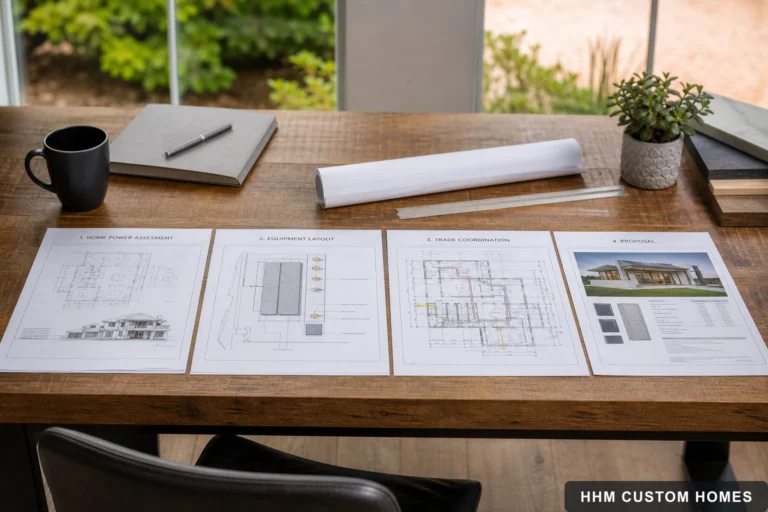
How an HHM Standby-Power Project Moves From Consultation to Proposal
Understand the records HHM needs before turning standby-power goals into an address-specific installed-project proposal.
HHM project and property topic
Plan an installed standby-power project with a clearer understanding of HHM’s consultation, property-information, proposal, and comparison process. These resources help North Carolina and South Carolina property owners prepare outage priorities, organize site and utility records, compare complete installed scopes, identify responsible parties, and understand why manufacturer equipment pricing is not an address-specific project quote. The guides provide general planning and consumer information only. Final sizing, electrical and fuel design, equipment selection, placement, permits, responsible trades, pricing, scheduling, and installation must be established from current records for the project address by the appropriate qualified parties and authorities.
Understand the records HHM needs before turning standby-power goals into an address-specific installed-project proposal.
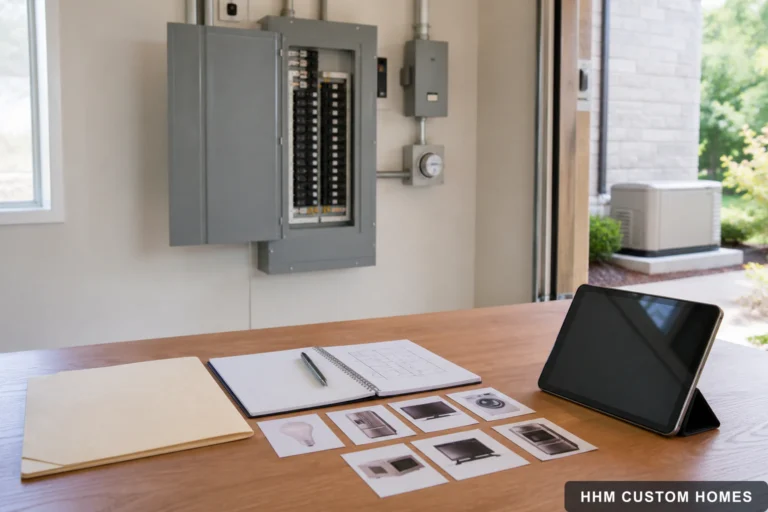
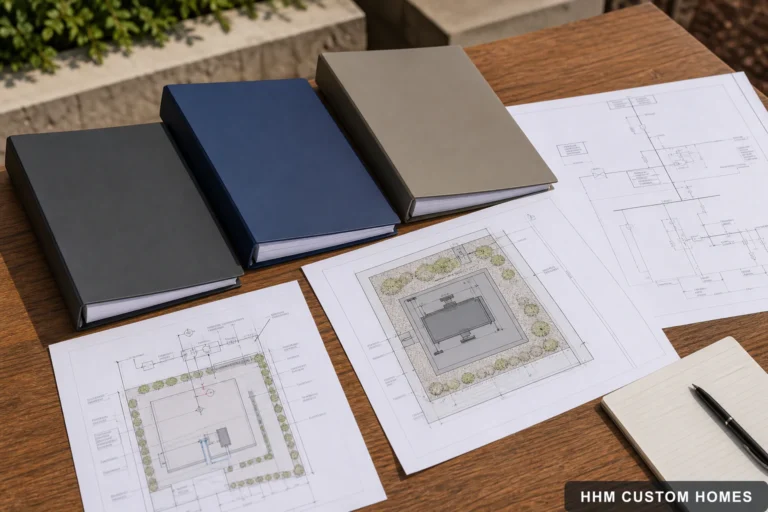
Prepare the address, outage priorities, utility information, property records, photographs, and decision questions needed for a productive standby-power review.
Plan standby power around verified loads, fuel, transfer equipment, site conditions, permits, installation, testing, and maintenance.
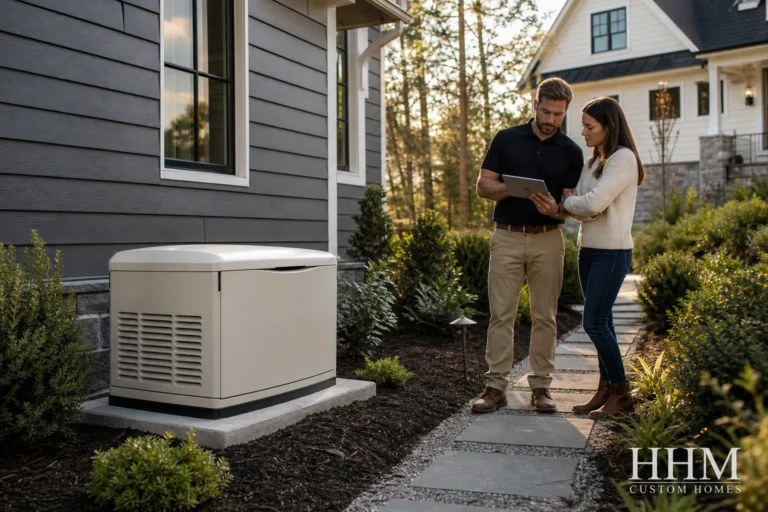
Understand how equipment, verified loads, transfer strategy, fuel, placement, utilities, permits, delivery, startup, and site conditions shape a complete installed standby-power proposal.
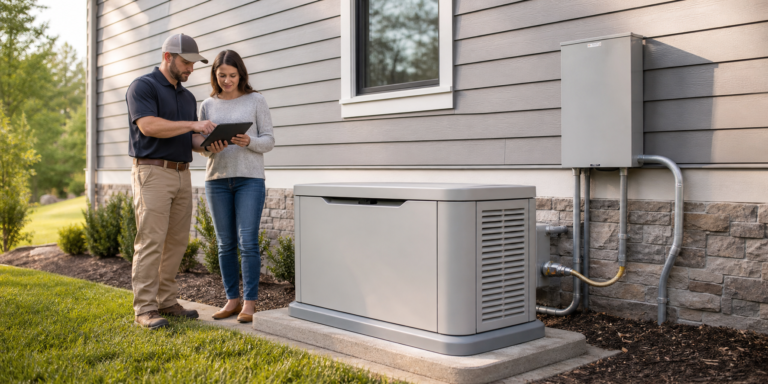
Compare installed standby-power proposals by exact equipment, scope, responsible trades, site assumptions, exclusions, price treatment, testing, warranties, and closeout.
A conversation with HHM can help clarify the questions, scope, and next steps.