
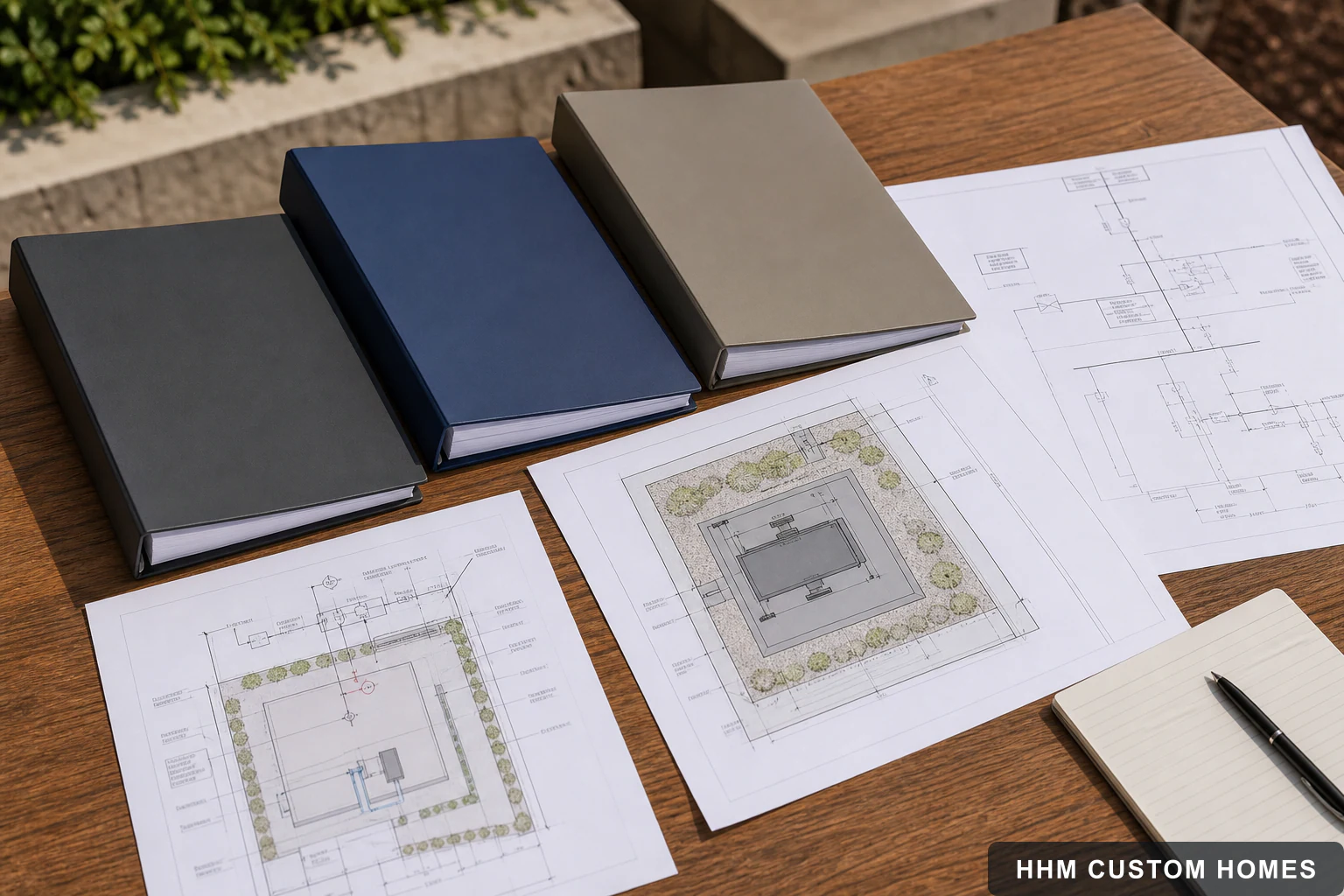
Two standby-generator proposals can display the same model number and still describe materially different projects. A useful comparison starts with the written scope, responsible parties, and site assumptions—not with the largest power rating or the lowest headline number.
Review how HHM moves a standby-power project from consultation to proposal to see how property information, responsible reviews, scope, and pricing inputs are organized before acceptance.
If a comparison reveals missing property records, outage priorities, utility information, site photographs, access conditions, or responsibility questions, return to the HHM standby-power consultation checklist and update the project record before acceptance or procurement.
This guide is general consumer education. It does not determine proper sizing, code compliance, licensing, permit requirements, product suitability, installation methods, or a fair price for a specific property.
Confirm the exact equipment
Each proposal should identify the generator model, transfer equipment, included accessories, fuel basis, monitoring items, and any load-management components. Ask whether quoted equipment is current, whether availability has been reconfirmed, and what happens if a model changes before procurement. A manufacturer starting MSRP is not a combined installed price.
Compare the same project scope
Separate equipment from delivery, placement, mounting, electrical work, fuel work, trenching, permits, inspections, utility coordination, startup, testing, homeowner orientation, cleanup, restoration, and closeout. If one proposal includes an item and another leaves it unassigned, the totals are not directly comparable.
Identify responsible parties
The proposal should state who evaluates loads and service conditions, who handles each regulated trade, who obtains permits, who coordinates utilities or fuel suppliers, and who is responsible for startup and inspection corrections. Dealer or partner status and trade licensing are different records; ask how each applies to the offered scope and address.
Read assumptions and exclusions
Look for limits involving conductor or fuel-run length, service or meter upgrades, tanks or regulators, excavation, difficult access, lifting equipment, landscaping or hardscape restoration, structural work, flood conditions, hazardous materials, engineering, utility fees, HOA requirements, and correction of existing defects. Ask how concealed or changed conditions are documented and priced.
Review payment and scheduling
Compare deposits, progress payments, financing treatment, cancellation terms, nonreturnable equipment, procurement authorization, lead-time assumptions, inspection dependencies, and the conditions required before scheduling. Financing offers are subject to provider terms and approval; they do not change the technical scope.
Verify testing, warranty, and support
The agreement should explain startup, functional testing, activation or registration responsibility, owner orientation, manuals and closeout records, manufacturer warranty conditions, workmanship coverage, maintenance expectations, and the support path after completion. Avoid assuming that a warranty label covers every product, labor, travel, maintenance, or site condition.
Build the right standby-power system with HHM
HHM brings the licensed trades, equipment planning, installation scope, and project coordination together in one accountable installed-service path.